How to Clean a Yoga Mat: The Ultimate Guide to Maintaining a Fresh and Hygienic Practice
Yoga is more than just a physical workout—it’s a practice of mindfulness and connection. Whether you’re an experienced yogi or a beginner, the yoga mat becomes your sacred space. As essential as it is to your practice, a yoga mat can easily accumulate dirt, sweat, oils, and bacteria over time. Keeping your mat clean not only helps you maintain proper hygiene but also ensures the longevity of the mat itself.
In this guide, we will explore why cleaning your yoga mat is important, how to clean it properly, and share tips on maintaining your mat in great condition. With the right care, your yoga mat can continue to support you in your practice for years to come.
Why Cleaning Your Yoga Mat is Important
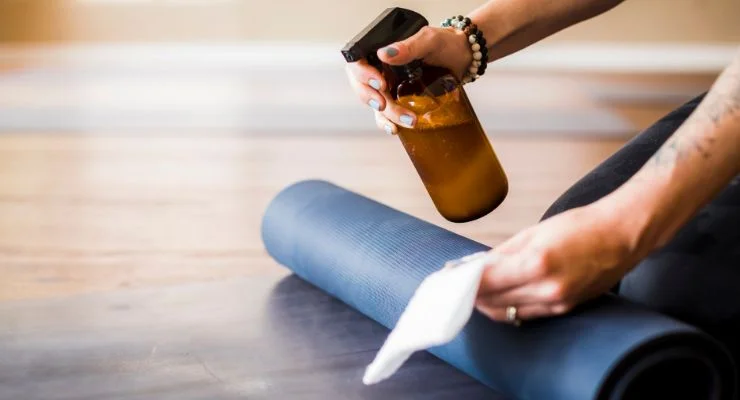
Before diving into the cleaning methods, it’s important to understand why keeping your mat clean is essential:
1. Hygiene and Health
The primary reason for cleaning your yoga mat is hygiene. When you practice yoga, your hands, feet, and sometimes even your face make direct contact with the mat. Over time, sweat, dirt, oils, and bacteria can accumulate on its surface, making it a breeding ground for harmful microbes. If left unclean, this can lead to skin irritation, infections, or even the spread of bacteria such as Staphylococcus aureus (commonly known as staph). Regular cleaning reduces this risk and promotes a cleaner, healthier environment for your practice.
2. Odor Control
Sweat naturally produces odor, and when trapped on the surface of your yoga mat, it can cause unpleasant smells to linger. These odors are often a combination of sweat, body oils, and bacteria. Cleaning your mat regularly helps to combat these smells and keeps your mat fresh, especially if you engage in hot yoga practices where sweating is more intense.
3. Prolonging the Life of Your Mat
Yoga mats are designed to withstand the wear and tear of frequent use. However, with regular cleaning and care, you can extend the lifespan of your mat and preserve its surface. Dirt, grime, and sweat can break down the material of your mat over time, leading to deterioration and reduced performance. Cleaning your mat regularly helps prevent these factors from causing premature wear and tear.
4. Improved Performance
A clean yoga mat provides better traction, reducing the likelihood of slipping during your practice. As sweat and oils build up on the mat, its surface becomes slippery, which can affect your balance and overall performance. By maintaining a clean surface, you can ensure that your yoga practice is safe and effective.
How Often Should You Clean Your Yoga Mat?
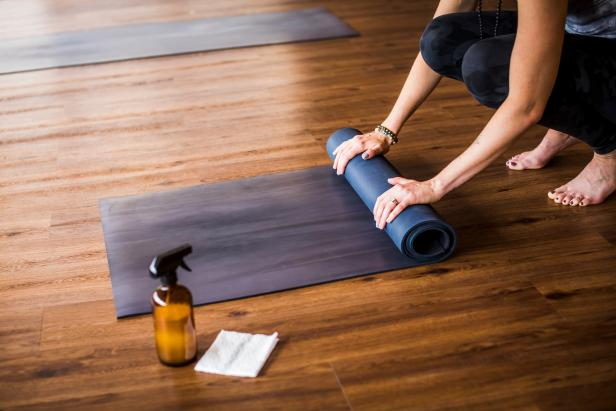
The frequency of cleaning your yoga mat depends on how often you use it and the intensity of your practice. Here are some guidelines to help you determine when it’s time to clean your mat:
After Every Session
If you practice yoga daily or engage in intense activities such as hot yoga, it’s a good idea to clean your mat after each session. During a typical yoga practice, you sweat, make contact with the floor, and expose your mat to dirt and oils. Cleaning your mat after every use helps remove this buildup and maintain a hygienic environment for your practice.
Once a Week
If you practice yoga a few times a week and engage in less intense activities, a weekly cleaning is usually sufficient. For light sessions like gentle flow or restorative yoga, the mat may not accumulate as much dirt, but it’s still important to keep it fresh.
As Needed
If you notice a distinct odor, visible dirt, or your hands are slipping during practice, it’s time to clean your mat, even if it’s not due for a scheduled cleaning.
How to Clean a Yoga Mat: Step-by-Step
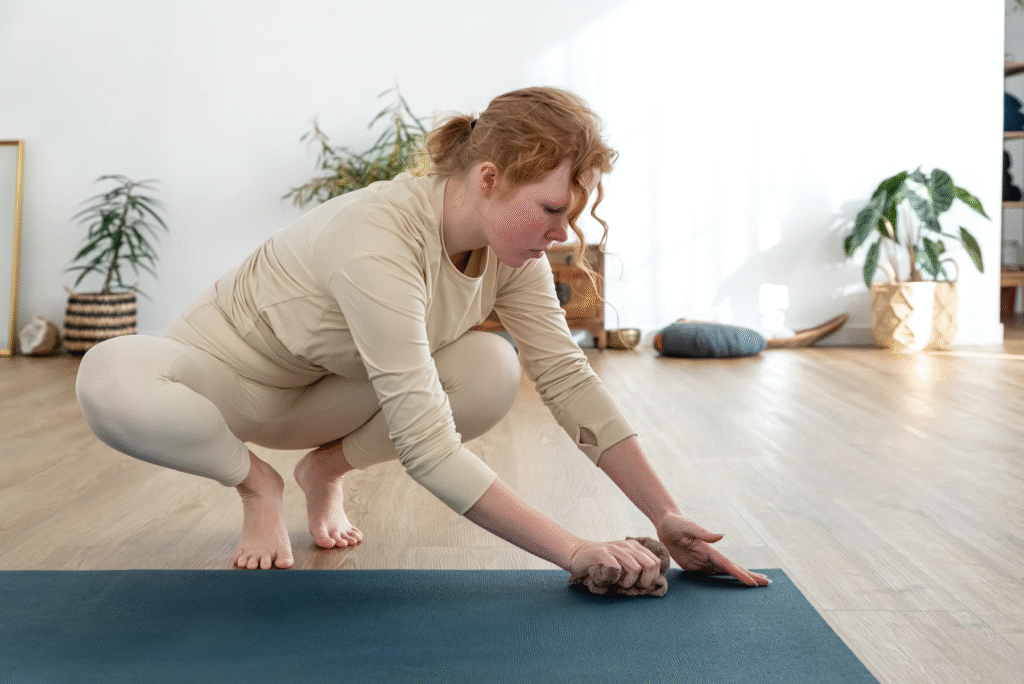
Step 1: Select the Right Cleaning Method
Depending on the material of your yoga mat and your personal preferences, there are several ways to clean it. Below are some methods to consider:
1.1 Homemade Cleaning Solution (Natural and Eco-Friendly)
For an eco-conscious and effective cleaning solution, you can easily make your own using ingredients you probably already have at home. This method is especially good for those who want to avoid harsh chemicals.
Ingredients:
- 1 cup of water
- 1 cup of white vinegar (or witch hazel)
- 10-20 drops of essential oils (optional—lavender, eucalyptus, or tea tree oil for antibacterial properties)
Instructions:
- Combine the water and white vinegar (or witch hazel) in a spray bottle.
- Add a few drops of your favorite essential oil for fragrance and additional antibacterial properties.
- Shake the bottle gently to mix the ingredients.
To clean your mat, simply spray the mixture onto the surface and wipe it down with a clean cloth or sponge. For added benefit, you can let the solution sit for a few minutes before wiping it off.
1.2 Store-Bought Yoga Mat Cleaner
If you prefer a ready-to-use solution, commercial yoga mat cleaners are available in the market. They are specially formulated to clean and sanitize mats without causing damage. These cleaners are convenient and easy to use.
Instructions:
- Spray the mat cleaner directly onto your yoga mat.
- Wipe the surface using a soft, clean towel or cloth.
- Let the mat air dry after cleaning.
When choosing a commercial cleaner, opt for one that is non-toxic, biodegradable, and free of harsh chemicals to avoid damaging your mat.
1.3 Mild Soap and Water
For a simple, budget-friendly cleaning solution, mild dish soap and water work well to remove dirt and grime.
Instructions:
- Mix a few drops of mild dish soap in a bowl of warm water.
- Dampen a soft cloth or sponge with the soapy water, and gently wipe the surface of your mat.
- Rinse with clean water to remove any soap residue.
- Wipe the mat with a dry towel to absorb excess moisture.
Step 2: Wipe Down or Scrub Your Mat
Once you’ve chosen a cleaning solution, use a soft cloth or sponge to wipe down your mat. If your mat is especially dirty or stained, you can gently scrub the surface with a soft brush or cloth. Be sure to avoid using abrasive materials, as they can damage the surface.
- For textured mats: Focus on the grooves and textured areas where dirt may accumulate.
- For mats with a smooth surface: A quick wipe-down with a damp cloth is usually sufficient.
Step 3: Rinse and Wipe Off Residue
If you’ve used a soap-based cleaner or homemade solution, you may need to rinse your mat to remove any cleaning residue. This is especially important if you’ve used a soap solution, as leftover soap can leave a slippery film on the surface.
- Rinsing method: Lay your mat flat in a bathtub or shower, and rinse it gently with lukewarm water.
- Wiping method: Use a clean, damp cloth to wipe off any remaining cleaning solution or residue.
Step 4: Dry Your Yoga Mat
Proper drying is crucial to prevent mold or mildew growth. After cleaning, make sure to dry your yoga mat thoroughly before rolling it up.
- Air drying: Hang your mat over a shower rod, clothesline, or yoga mat rack to allow it to air dry. Be sure to leave it in a well-ventilated area, as this helps it dry faster.
- Avoid direct heat: Never place your mat under direct sunlight or near a heat source like a radiator or dryer. Prolonged exposure to heat can damage the material, causing it to warp or lose its elasticity.
Step 5: Deep Cleaning (Once a Month or As Needed)
For mats that need a more thorough cleaning, especially those with deep stains or heavy build-up, consider a full deep cleaning once a month.
How to Deep Clean:
- Fill a bathtub with lukewarm water and add a small amount of mild soap or detergent.
- Submerge the mat in the water, allowing it to soak for 15-20 minutes.
- Gently scrub with a sponge or soft-bristled brush to remove stubborn dirt.
- Rinse thoroughly with clean water.
- Hang the mat to air dry.
Tips for Maintaining Your Yoga Mat
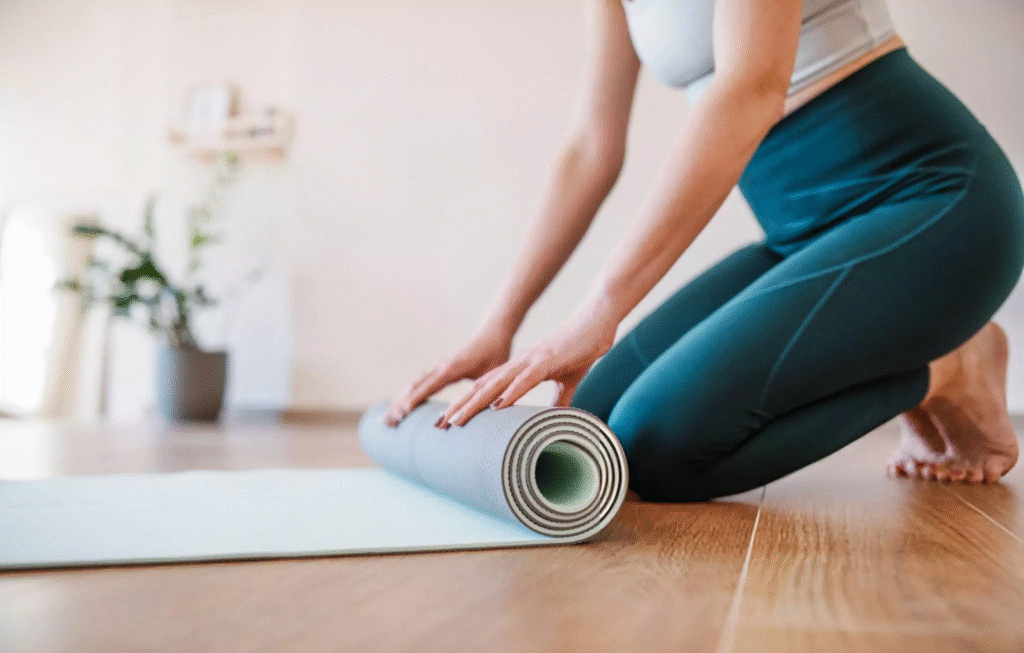
1. Roll Your Mat Properly
When storing your mat, roll it up with the top side facing inward. This will help protect the surface from dirt, moisture, and damage.
2. Use a Mat Towel or Cover
If you tend to sweat a lot during your practice, consider using a yoga mat towel. It absorbs sweat, reduces the wear and tear on the mat, and prevents odors from building up. You can also use a mat cover to keep your mat protected when it’s not in use.
3. Keep Your Mat Away from Direct Sunlight
Storing your yoga mat in a place where it’s exposed to direct sunlight can cause the material to degrade over time. Store it in a cool, dry place to keep it in good condition.
4. Clean Your Mat Regularly
Even if you don’t notice visible dirt, cleaning your mat once a week or after every practice will keep it fresh and hygienic. A quick wipe-down with a homemade or store-bought cleaner can remove oils, sweat, and bacteria that you might not see but could still affect your health.
Final Word
Maintaining a clean yoga mat is crucial for a healthy and enjoyable practice. By following the steps outlined above, you can ensure that your mat remains hygienic, extends its lifespan, and supports your yoga journey in the best possible way. Whether you use a DIY cleaning solution, a commercial cleaner, or a simple dish soap mix, the key to a great practice is a clean mat that enhances your comfort, safety, and performance. Keep it fresh, and it will continue to serve you well, session after session.