What Is Yoga? Benefits and Why You Need to Practice It
Ever wondered what yoga is all about? It’s more than just bending into pretzel shapes. This ancient practice, which started in India, is really about connecting your mind and body. People have been doing it for ages to find a bit of peace and get stronger. Whether you’re a total beginner or have been practicing for years, yoga offers a lot. Let’s talk about what yoga is and why you might want to give it a try.
Key Takeaways
- Yoga is an old practice from India focused on connecting the mind and body.
- It helps improve flexibility, build strength, and can be good for your heart.
- Yoga can help reduce stress and anxiety, making you feel calmer.
- Practicing yoga can lead to better self-esteem and a healthier relationship with your body.
- There are many types of yoga, so you can find one that suits your needs and lifestyle.
What Is Yoga?
So, what exactly is yoga? It’s a word many of us have heard, maybe even tried a class or two, but its roots run much deeper than just stretching on a mat.
Ancient Origins and Core Meaning
Yoga actually started thousands of years ago in ancient India. The word itself comes from a Sanskrit term, “yuj,” which basically means “to yoke” or “to bind.” Think of it like connecting things – in yoga’s case, it’s about connecting your mind, body, and spirit. It wasn’t initially about getting flexible or strong in the way we often think of it today. The original goal was more about spiritual growth and finding a deeper sense of self. It’s a practice that’s been passed down through generations, evolving over time but keeping that core idea of union.
A Practice for Mind and Body Connection
At its heart, yoga is about creating a link between what’s happening in your head and what your body is doing. It’s not just about striking a pose; it’s about paying attention to how that pose feels, how your breath moves through it, and how your mind reacts. This focus on the present moment is what makes yoga so powerful. When you’re in a pose, you’re encouraged to notice sensations without judgment. This awareness can spill over into your everyday life, helping you become more tuned in to your own thoughts and feelings.
More Than Just Physical Postures
While many people come to yoga for the physical benefits – and there are plenty – it’s really a much broader practice. Sure, you’ll do postures (called asanas), and you’ll likely work on your breathing (that’s pranayama). But yoga also includes elements like meditation, concentration, and even ethical principles. Different styles of yoga emphasize these different aspects. Some are very physically demanding, while others are much more focused on quiet reflection and breathwork. The idea is to find a balance, challenging yourself physically without getting overwhelmed, and always bringing your attention back to your breath and your inner experience.
Physical Benefits of Yoga
So, you’re thinking about yoga, huh? Maybe you’ve seen people doing those pretzel-like poses and thought, “No way.” But yoga is way more than just being super flexible. It actually does a lot for your body, and you don’t need to be a contortionist to feel the good stuff. It’s about building a stronger, more capable you, from the inside out.
Enhanced Flexibility and Balance
Let’s talk about flexibility. As we get older, our muscles tend to get tighter, making everyday movements feel a bit more like a chore. Yoga works by gently stretching these muscles, helping them to lengthen and become more pliable. This isn’t just about touching your toes; it’s about making your body move more freely. Think about reaching for something on a high shelf or bending down to tie your shoes – these simple actions become easier. Balance is another big win. Holding poses, even simple ones, requires you to engage your core and find stability. Over time, this translates to better balance in your daily life, which can be a lifesaver, especially as we age, helping to prevent those unexpected tumbles. It’s a practice that helps you feel more grounded and steady.
Building Muscle Strength and Endurance
Don’t let the calm vibes fool you; yoga can be a serious workout. Many poses require you to support your own body weight in various ways. Holding a plank, for instance, or lifting yourself into a warrior pose, builds strength in your arms, legs, and core. It’s not about lifting heavy weights, but about using your own body to create resistance. This kind of training builds lean muscle and improves your overall endurance. You’ll find yourself feeling stronger and less fatigued throughout the day. It’s a different kind of strength than you might get from the gym, focusing more on sustained effort and control. After just a few weeks of consistent practice, many people notice a real difference in their stamina and how their muscles feel more capable.
Improving Cardiovascular Health
While not all yoga is high-intensity cardio, certain styles and consistent practice can positively impact your heart health. Some studies suggest that regular yoga can help lower blood pressure, especially in individuals who have hypertension. It seems to help the body better regulate blood pressure. Additionally, yoga has shown promise in improving cholesterol levels and blood sugar control in some people. Because of these effects, yoga is increasingly being incorporated into cardiac rehabilitation programs. It’s a gentle yet effective way to support your heart’s well-being alongside other healthy habits.
The physical aspect of yoga is about discovering what your body can do right now, not pushing it to be something it’s not. It’s a journey of self-discovery and building a resilient body that serves you well.
Mental and Emotional Well-being
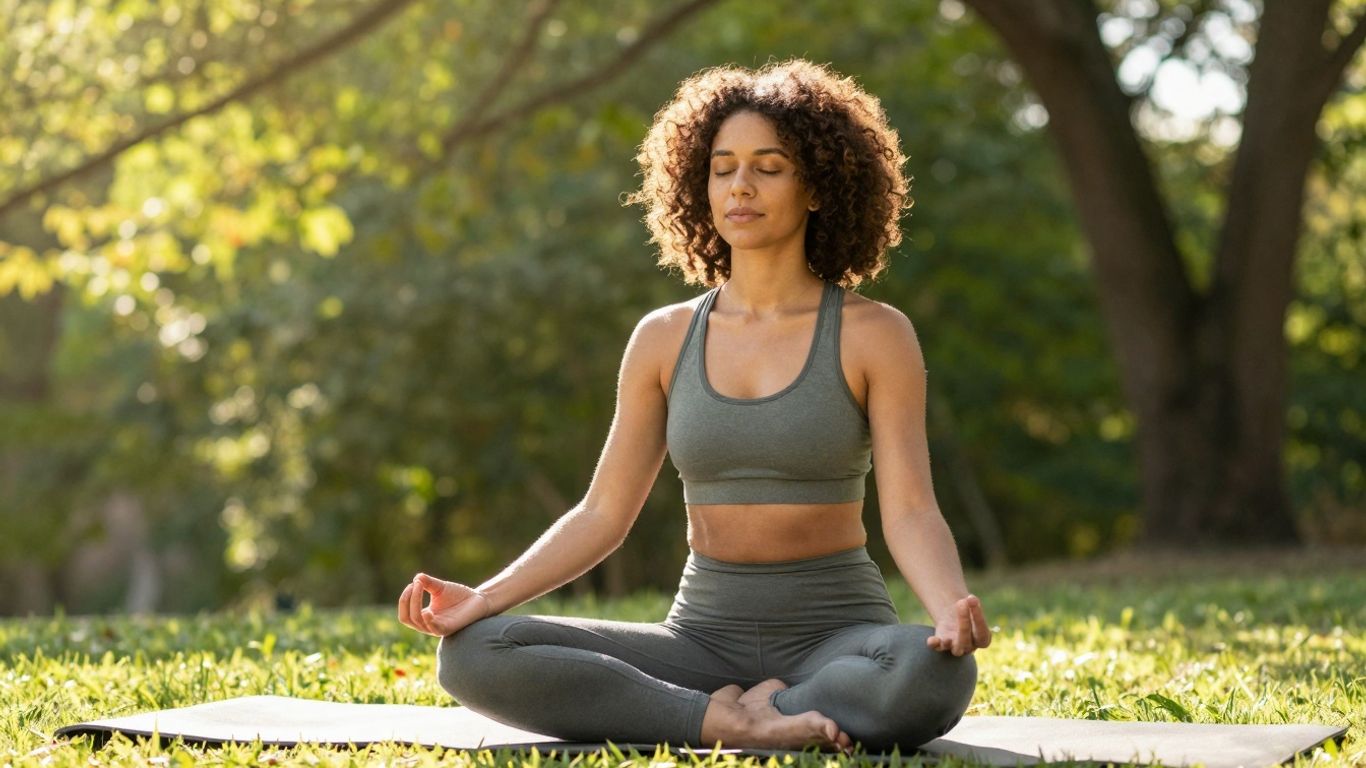
Yoga is often talked about for its physical perks, but honestly, the stuff it does for your head and heart is pretty amazing too. It’s not just about touching your toes; it’s about finding a bit of peace in the chaos.
Stress and Anxiety Reduction
Life throws a lot at us, right? Deadlines, bills, that weird noise your car is making – it all adds up. Yoga offers a way to hit the pause button. Through focused breathing and gentle movement, you can start to untangle those knots of tension that build up. It’s like giving your nervous system a much-needed break. Regular practice can genuinely help you feel less overwhelmed by daily pressures.
Cultivating Mindfulness and Inner Awareness
Ever feel like your brain is running a million miles a minute, thinking about everything but what’s happening right now? Yoga brings you back to the present. You start paying attention to your breath, how your body feels in a pose, and what’s going on around you without getting caught up in it. This mindfulness isn’t just for the mat; it spills over into everyday life, helping you notice the small things and react less impulsively. It’s about connecting with yourself on a deeper level, understanding your own patterns and feelings.
Boosting Mood and Combating Depression
When you’re feeling down, the last thing you might want to do is exercise. But yoga can be a gentle way to lift your spirits. The combination of physical activity, mindful breathing, and the sense of accomplishment after a session can make a real difference. Studies suggest that yoga can help ease symptoms of depression, offering a complementary approach to managing mood. It’s not a magic cure, but it’s a tool that can help you feel more grounded and positive.
Yoga encourages a non-judgmental approach to your experiences, both on and off the mat. This acceptance can be incredibly freeing, allowing you to observe your thoughts and feelings without getting swept away by them. It’s a practice in self-compassion, which is something many of us could use more of.
Here’s a quick look at how yoga can help:
- Calms the mind: Deep breathing exercises (pranayama) directly impact your nervous system, promoting relaxation.
- Increases self-awareness: You become more attuned to your body’s signals and your emotional state.
- Provides a sense of community: Practicing with others can combat feelings of isolation.
- Offers a healthy coping mechanism: It gives you a constructive way to deal with difficult emotions instead of resorting to less healthy habits. You can find registered yoga teachers through The Yoga Alliance.
It’s amazing how much difference a little bit of focused time on your mat can make for your overall mental state. Give it a try and see what shifts for you.
Yoga for a Healthier Lifestyle
Promoting Better Body Image and Self-Esteem
Yoga really helps you connect with your body in a way that’s not about how you look. Instead, it’s about what your body can do. Think about it: when you’re holding a pose, you’re not usually staring in a mirror. You’re focused on your breath, your balance, and how the stretch feels. This inward focus can make you appreciate your body for its strength and capabilities, rather than just its appearance. Many people find that practicing yoga regularly makes them feel more comfortable and accepting of themselves. It’s less about fitting a certain mold and more about honoring your own physical experience.
Supporting Weight Management and Mindful Eating
This is where yoga can really surprise you. Beyond the physical exertion, yoga cultivates a sense of mindfulness. This means you become more aware of your body’s signals, like when you’re truly hungry or when you’ve had enough to eat. It’s not about dieting; it’s about listening to your body. Studies have even shown that people who practice yoga consistently tend to maintain a healthier weight over time. This is likely because they’re more in tune with their hunger cues and less likely to overeat or eat out of stress.
Here’s a quick look at how yoga can influence eating habits:
- Increased Awareness: You start noticing the taste, texture, and smell of your food more.
- Better Hunger Signals: You become more sensitive to your body’s actual need for food.
- Reduced Emotional Eating: The practice helps you manage stress, which often leads to eating when you’re not hungry.
- Savoring Meals: You tend to eat more slowly and enjoy your food, leading to greater satisfaction.
Improving Sleep Quality
If you’re tossing and turning at night, yoga might be the gentle nudge your body needs towards better rest. The combination of physical movement, breathwork, and relaxation techniques common in yoga helps calm the nervous system. This can make it easier to fall asleep and stay asleep. By reducing stress and quieting a busy mind, yoga prepares your body and mind for a peaceful night’s rest. A consistent practice, even just a few times a week, can make a noticeable difference in how refreshed you feel in the morning.
Many people think of yoga as just a way to get more flexible, but its impact goes much deeper. It’s a practice that can genuinely shift how you feel about yourself and how you interact with the world around you, including your relationship with food and rest. It’s about building a healthier lifestyle from the inside out.
Incorporating Yoga Into Your Life
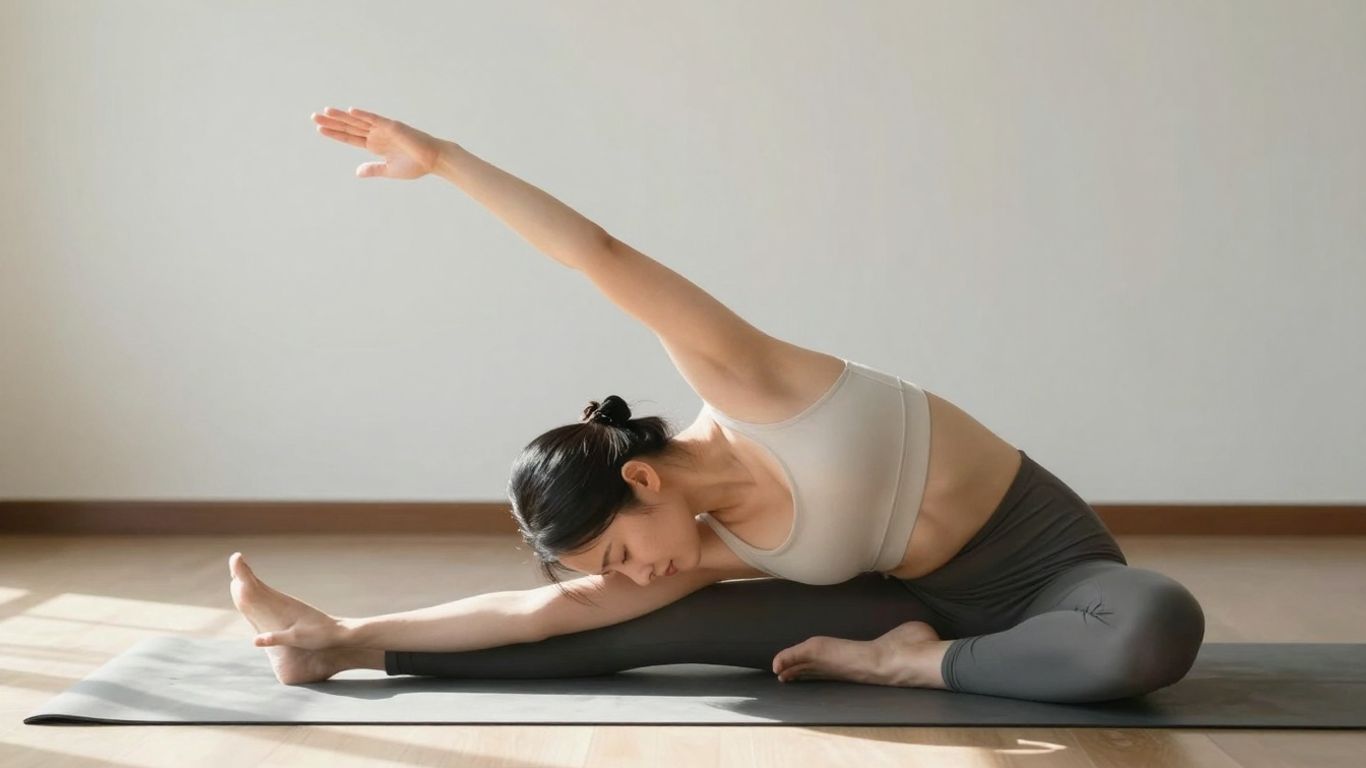
So, you’re convinced yoga is the thing for you, but where do you even start? It can feel a little overwhelming with all the different options out there. Don’t sweat it. The most important thing is to just begin. Finding a practice that feels right for you is key to sticking with it.
Exploring Different Yoga Styles
Yoga isn’t just one thing; it’s a whole spectrum. You’ve got styles that are super gentle and focus on relaxation, and then you have others that are pretty intense and will definitely get you sweating. Here’s a quick look at a few:
- Hatha Yoga: This is a good starting point for many. It’s generally a slower-paced class that focuses on basic poses and breathwork. Think of it as a solid foundation.
- Vinyasa Yoga: If you like movement, Vinyasa might be your jam. Poses flow from one to the next, often synchronized with your breath. It can be quite dynamic.
- Restorative Yoga: This style is all about relaxation. You’ll use props like blankets and bolsters to support your body in gentle poses for longer periods. It’s great for de-stressing.
- Ashtanga Yoga: This is a more rigorous style with a set sequence of poses. It’s physically demanding and builds heat in the body.
Finding the Right Practice for You
How do you pick from all those styles? Honestly, it’s a bit of trial and error. What works for your friend might not be your cup of tea. Consider what you’re looking for. Are you trying to de-stress after a long week? Maybe restorative or a gentle Hatha class is the way to go. Looking to build strength and get your heart rate up? Vinyasa or Ashtanga could be a better fit. Don’t be afraid to try a few different classes or instructors. Many studios offer introductory specials, which are perfect for exploring. You can even start yoga at home with short sessions if you’re feeling shy or just want to get a feel for it.
Remember, yoga is a personal journey. There’s no competition, and what matters most is how it makes you feel. Focus on your own breath and your own body’s signals.
Consistency for Long-Term Gains
Once you find a style and a teacher you connect with, the real magic happens with consistency. Showing up regularly, even if it’s just for short sessions, is more beneficial than sporadic, long practices. Aim for what’s realistic for your schedule. Maybe it’s two or three times a week, or even just 15-20 minutes a day. Building a habit takes time, but the physical and mental rewards are well worth the effort. Think of it like watering a plant; consistent care leads to growth.
So, Should You Try Yoga?
Look, life gets pretty hectic, right? Between work, family, and just trying to keep up, it’s easy to feel overwhelmed. Yoga, with its focus on breath, movement, and just being present, offers a real break from all that. It’s not just about touching your toes or getting super flexible, though those things can happen. It’s more about finding a bit of calm in the chaos, getting stronger, and maybe even feeling a little better about yourself and your body. Whether you’re looking to de-stress, improve your fitness, or just find a moment of peace, giving yoga a shot seems like a pretty good idea. You don’t need to be a guru; just find a class or a style that feels right for you and see what happens. You might be surprised at the difference it makes.
Frequently Asked Questions
What exactly is yoga?
Yoga is a really old practice that started in India. It’s all about connecting your mind and body. Think of it as a way to get stronger, more flexible, and feel calmer. It’s not just about doing weird poses; it also involves focusing on your breathing and being aware of yourself.
Is yoga just about stretching?
While yoga definitely helps you stretch and become more flexible, it’s much more than that! Some yoga styles can also build muscle strength. Plus, it teaches you to focus your mind, manage stress, and become more aware of your feelings.
Can yoga really help me feel less stressed?
Absolutely! Many people find that practicing yoga regularly helps them deal with stress and feel less worried. The deep breathing and mindful movements can calm your nervous system, making you feel more peaceful.
Do I need to be super flexible to start yoga?
Not at all! Everyone starts somewhere. Yoga is actually a great way to *become* more flexible. You don’t need to be able to touch your toes on day one. The most important thing is to listen to your body and do what feels right for you.
What are the benefits of yoga for my body?
Yoga can make your muscles stronger and help you keep your balance better. It can also improve your heart health by helping to lower blood pressure. Over time, you might notice you have more energy and feel generally healthier.
How often should I practice yoga to see results?
You don’t need to practice for hours every day. Even practicing for a short time, like 20-30 minutes, a few times a week can make a big difference. The key is to be consistent and find a routine that works for your life.